Introduction
Industrial sites, fabrication units, and construction operations typically generate large volumes of scrap in their daily operations. If left mismanaged or unstructured, these can create hidden operational strain, storage pressure, and lost material value over time.
Facilities that underestimate the impact of unmanaged scrap may experience reduced daily output, lower material recovery, and added pressure on internal teams.
Many scrap metal recycling businesses in Northwest Indiana are increasingly adopting structured recovery systems to improve efficiency and reduce waste. Businesses that partner with an experienced industrial scrap metal recycler gain several advantages, including:
- Streamlined material handling processes that reduce operational delays
- Improved material recovery rates from scrap streams
- Cleaner production environments with better site organization
- Stronger alignment with sustainability expectations in the manufacturing and construction sectors
In this blog, we’ll explore the hidden costs of poor scrap management and how structured recycling improves efficiency, safety, and material recovery.
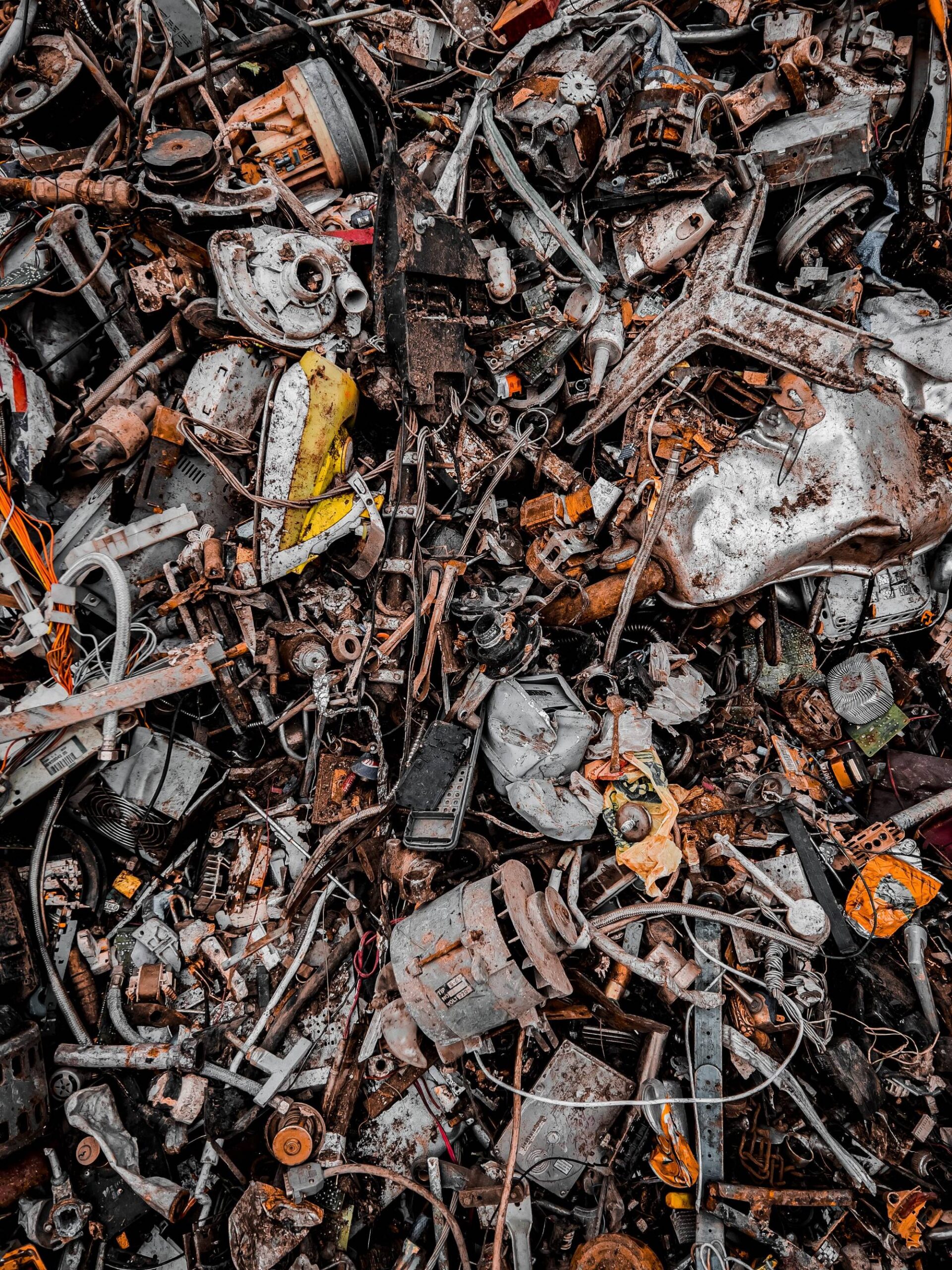
The Real Cost of Poor Scrap Metal Waste Management
Scrap metal can hold real value, but only when managed through the right process.
Poorly handled scrap materials can lead to financial losses that are not always immediately apparent. Recyclable metals such as steel, aluminum, iron, and copper may end up mixed with general waste, reducing their resale value and increasing dependence on landfill disposal.
The lack of proper segregation can lead many facilities with inconsistent industrial scrap recycling practices to incur higher disposal costs due to repeated hauling, inefficient sorting, and unnecessary dumping fees. Scrap buildup can also overload storage areas, reduce usable workspace, and force teams to make operational adjustments that slow production cycles.
Labor inefficiencies add another layer of cost. Workers spend additional hours moving, sorting, and reloading scrap materials multiple times before disposal. These repeated handling cycles reduce productivity and increase internal effort across departments.
Simply put, weak industrial scrap metal recycling systems can reduce material recovery rates, limit revenue opportunities, and increase reliance on outside disposal services rather than structured recovery systems.

How Inefficient Scrap Handling Impacts Productivity and Workplace Safety
In many industrial scrap recycling environments, repeated handling of loose metal increases fatigue levels and reduces workflow consistency. Sharp edges, heavy components, and scattered materials can also pose additional risks during movement and storage.
As scrap continues to build up, internal transportation systems also become affected. Forklift routes and material transport pathways can become blocked, forcing operators to reroute equipment and slowing internal logistics.
These disruptions can delay production schedules and increase downtime during active operations.
A structured scrap metal recycling process can help reduce these roadblocks by consolidating materials, minimizing repeated handling cycles, and maintaining safer, more organized workspaces across industrial facilities.

Understanding the Industrial Scrap Metal Recycling Process
A structured industrial scrap metal recycling process helps recover recyclable materials and return them to manufacturing supply chains.
Here’s how a typical process works:
Collection and Material Segregation
The process begins with the systematic collection of scrap from industrial, manufacturing, and construction sites. Materials are then separated into ferrous and non-ferrous streams to improve sorting accuracy and maximize recovery value.
Processing and Material Preparation
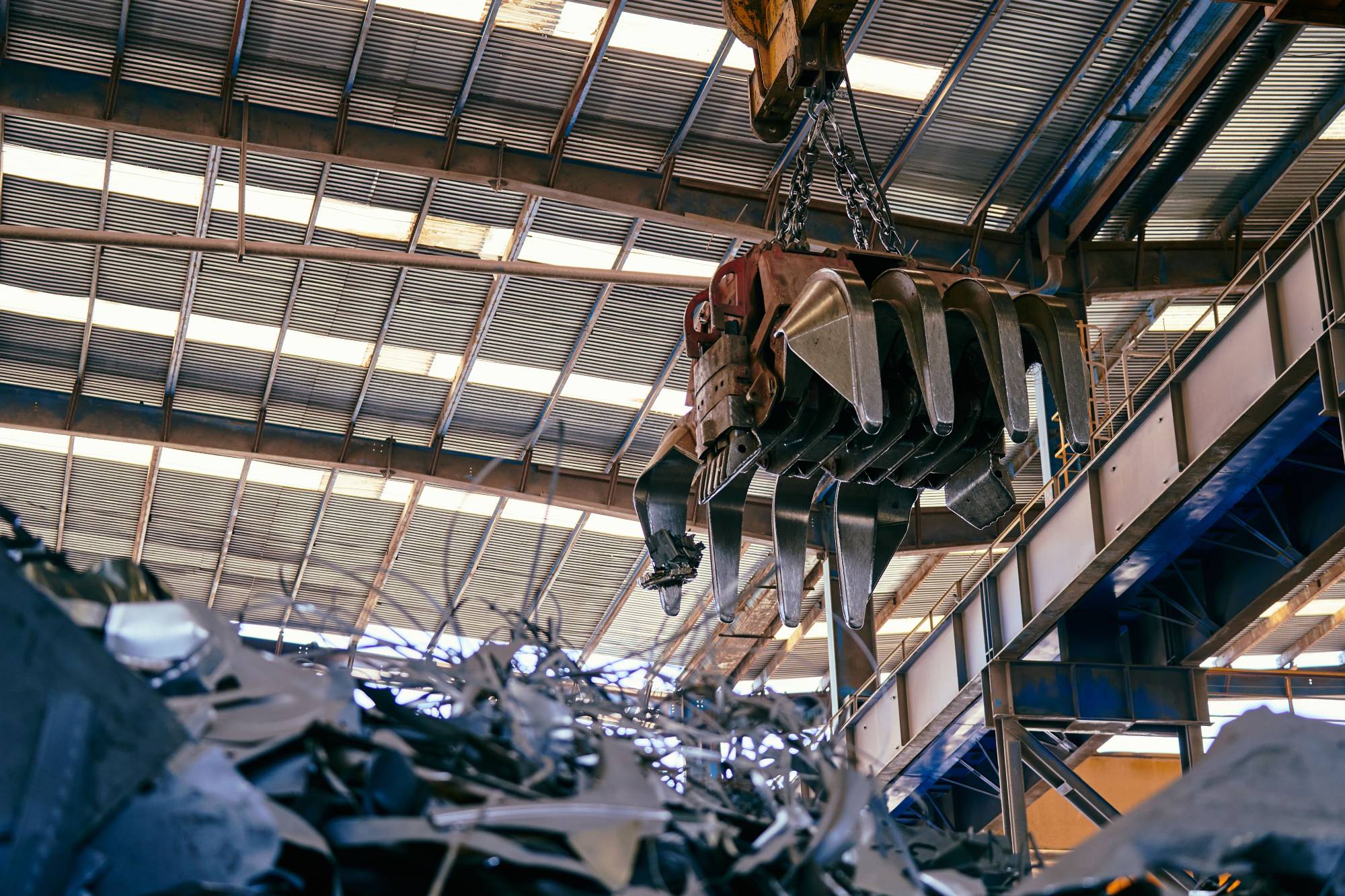
Once collected, the materials are transported to processing facilities where they may be shredded, cleaned, and prepared for reuse. This stage turns scrap metal into usable raw material that can support future production cycles.
Resource Recovery and Reuse
Recovered materials are reintroduced into manufacturing systems, reducing the need for newly extracted raw materials and improving material efficiency. This strategy supports operational efficiency and better resource recovery.
Coordinated Recovery Management
Partnering with an experienced industrial scrap metal recycler can help businesses improve coordination between site operations and material recovery schedules. Essentially, it may lead to more organized workflows and fewer disruptions.
Scrap Metal Recycling Industry Trends That Businesses Should Know
More Focus on Sustainability
Businesses are paying more attention to responsible resource management. In manufacturing and construction, this includes reducing waste, recovering reusable materials, and supporting greener building and production practices.
Better Waste Reduction Practices
Many companies are improving how they collect, sort, and manage scrap materials. Better waste reduction practices can help lower disposal costs, improve recovery rates, and keep worksites more organized.
Growth in Recycling Technology
Advanced sorting systems, automation, artificial intelligence, and data-tracking tools are changing the way scrap materials are processed. These technologies can help improve sorting accuracy, reduce contamination, and recover more value from scrap metal.
Higher Demand for Industrial Scrap Recycling
More businesses are looking for cost-effective ways to manage metal waste. As a result, demand for industrial scrap recycling continues to grow across manufacturing, construction, and other commercial sectors.
More Specialized Recycling Services
Businesses are also looking for recycling partners that can handle more than standard scrap metal. Services such as electronics recycling, equipment recycling, and specialized material handling can help improve recovery while keeping operations more efficient.
Why Partnering with an Industrial Scrap Metal Recycler Makes a Difference
Working with an experienced industrial scrap metal recycler helps eliminate many of the challenges associated with scrap handling and disposal. Professional metal recycling services can support timely material removal, cleaner work areas, and better separation of recyclable materials.
For businesses in Northwest Indiana, a local scrap metal recycling partner can also provide more reliable pickup schedules and stronger material handling support. This partnership helps facilities focus more time on production rather than on scrap management.

Final Thoughts
Partnering with a trusted scrap metal recycling business in Northwest Indiana can make the process easier to manage. The right recycling partner can help businesses adopt a cleaner, more sustainable approach to industrial waste management.
At Dynamic Metal Recycling, we bring more than 60 years of combined industry experience to help businesses manage scrap more efficiently and responsibly. Since 2015, we have continued to expand our facilities, equipment, and service capabilities to better support industrial and commercial customers across Northwest Indiana.
Request a free quote from our team in Chesterton or La Porte to learn how we can help improve your scrap management processes and support your long-term operational and sustainability goals.