15 Common Household Items
You Can Take to a Scrap Yard
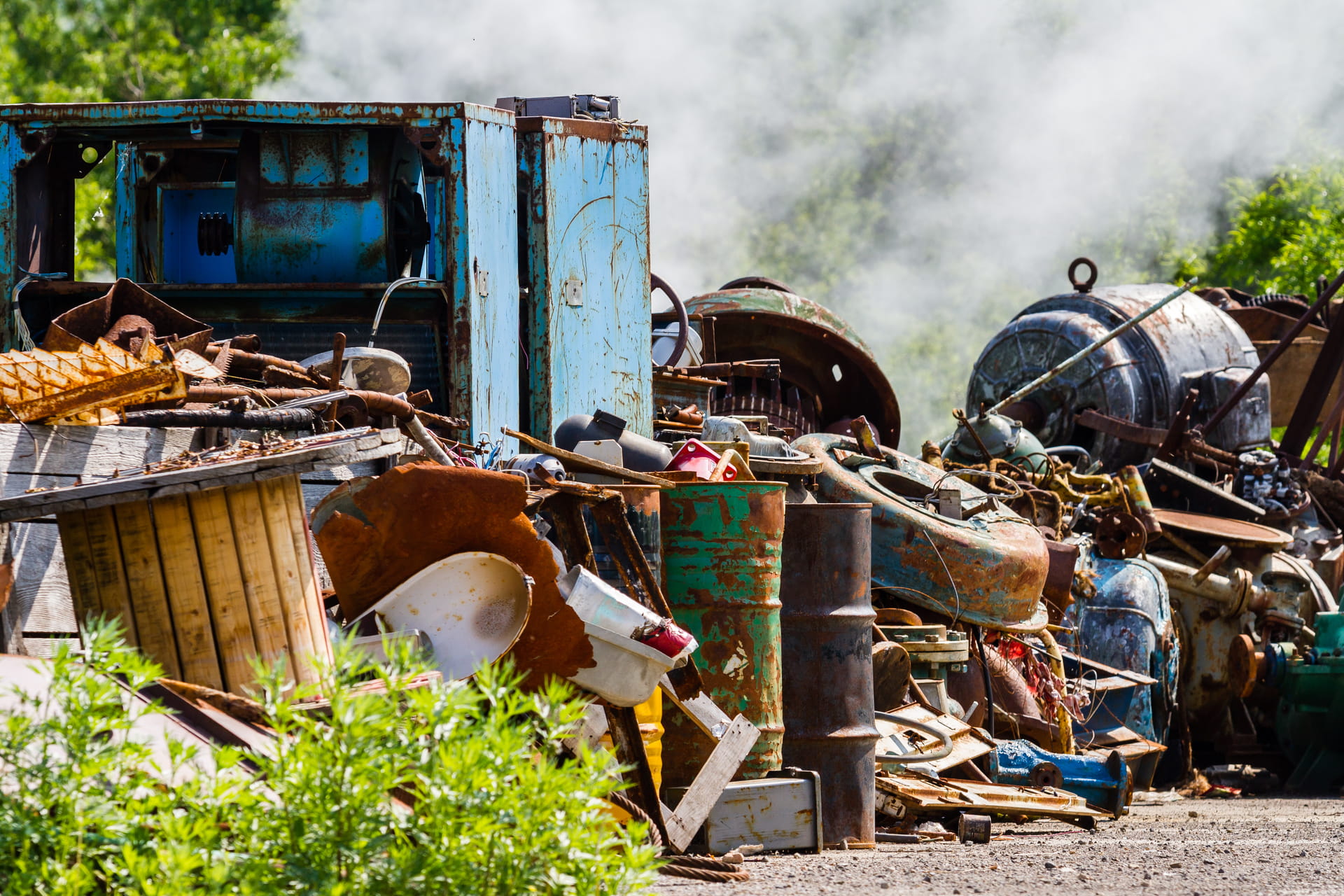
Most people do not realize how much of their everyday clutter qualifies as scrap metal. An old microwave, a bent lawn chair, and a tangle of cables in the junk drawer can all have value. A clear list of household scrap metal items can help you identify what is worth keeping and what you can sell.
Decluttering a garage or renovating a kitchen can leave you with metal items you no longer need. Instead of sending them to the curb, consider whether they can be recycled for value. Steel, copper, and aluminum can all be accepted as scrap, helping keep usable materials out of landfills. This matters when more than 146 million tons of municipal solid waste (MSW) are landfilled in a single year.
Scrap yards regularly see homeowners bring in metal they were ready to throw away and discover that it still has value. So, knowing which household items qualify as scrap can help you separate recyclable materials from ordinary waste and prepare them for the yard.
This blog explains what counts as household scrap metal and how to get it ready for recycling.

What Counts as Scrap Metal Around the House?

If you are wondering what household items count as scrap metal, the answer may be broader than you expect. Old appliances, wiring, furniture, and other metal items can often be recycled for value. The type of metal matters since different metals have different scrap prices.
Scrap metal generally falls into two categories:
- Ferrous metals contain iron, such as steel, and are attracted to magnets.
- Non-ferrous metals include copper, aluminum, and brass, which do not attract a magnet.
You can start sorting with a simple magnet test at home. Hold a fridge magnet against the item and see what happens. If it sticks, you likely have ferrous metal. If it does not, the item may contain non-ferrous metal, which typically has a higher value per pound. This scrap metal items list makes it easier to sort your household metals before taking them to a scrap yard.
Common Household Scrap Metal Items You Can Sell
Here is the complete list of scrap metal items most homes produce, grouped for easy scanning:

Kitchen and Appliances
- Old refrigerators, ovens and dishwashers
- Microwaves and toasters
- Pots, pans and stainless steel cookware

Wiring, Electronics and Cables
- Copper wiring and electrical cables
- Old computers, laptops and phones
- Extension cords and chargers

Plumbing and Fixtures
- Copper pipes and brass fittings
- Old faucets and radiators
- Water heaters

Outdoor and Garage Items
- Aluminum lawn furniture and gutters
- Bicycles and scooters
- Car batteries and auto parts
- Lawn mowers and power tools
- Grills and metal shelving
- Aluminum cans in bulk
Value tip: Copper, brass, and car batteries can be among the higher-value household scrap items. Keep them separated from steel and other mixed metals when preparing your load. Checking your scrap metal items list before heading to the yard can help you sort materials by type and get a clearer idea of what you have.
Best Scrap Metal Items to Focus On for Value
Not every scrap item has the same value, so knowing the best scrap metal items can help you focus on materials worth your time. Copper and brass generally rank among the higher-value options, followed by aluminum and lead-acid batteries. Steel appliances are still worth recycling, but they usually bring in less per pound because ferrous metal tends to have a lower market value.
Metal recycling also provides a broader benefit by keeping reusable materials in circulation and reducing what goes to landfills. Sorting your load before heading to the yard can make the process easier and help you get the most from your materials.
Here is a simple table that can help you:
| Item | Metal Type | Typical Value Level |
|---|---|---|
| Copper wiring/pipes | Non-ferrous | High |
| Brass fittings | Non-ferrous | High |
| Aluminum cans, gutters | Non-ferrous | Medium |
| Car batteries | Lead-acid | Medium to High |
| Steel appliances | Ferrous | Lower by weight |
How to Prep Household Items Before Taking Them to a Scrap Yard
A little preparation can make your visit quicker and help you get better value from your load. Separating materials by type makes weighing and grading easier, while removing unwanted materials can help keep recyclable metal clean.
Use this short list of household scrap metal items as a checklist before you leave:
- Separate ferrous and non-ferrous metals with a simple magnet test.
- Remove non-metal materials such as plastic, glass, and motor oil.
- Strip wire insulation when the copper inside makes the extra work worthwhile.
- Group similar metals together so they can be weighed and graded more easily.
Pre-sorted loads are generally easier for scrap yards to process than mixed piles. Arriving with copper in one bin and steel in another also means less sorting at the counter. That simple habit can turn a longer drop-off into a much quicker visit.

What You Should NOT Bring (Quick Safety Note)

Some household items require special handling and should not be added to a standard scrap load. Refrigerators and air conditioners contain refrigerants that require certified removal before the units can be processed. Items containing hazardous fluids, sealed chemicals, or pressurized gases also need specific handling.
Keep these items separate from your regular scrap:
- Appliances with refrigerant still inside
- Containers holding oil, fuel, or chemicals
- Propane tanks and other pressurized cylinders
Pro tip: Call the scrap yard before loading these materials to confirm what they accept. A quick phone check can prevent a wasted trip and help you handle restricted items correctly.
FAQs:
What household items are scrap metal?
Which household scrap metal items are worth the most?
Copper and brass typically top the list, followed by aluminum and car batteries. Set these aside separately to capture their higher value.
Do I need to clean or separate items first?
Sorting first helps, though it isn’t always required. Sorted loads are quicker to process and often more rewarding at the scale.
Can I scrap old electronics and appliances?
Yes, most are accepted. Call ahead for large appliances with refrigerants, since those need special handling.
How do I know if metal is ferrous or non-ferrous?
Use a magnet. If it sticks, the metal is ferrous iron or steel; if not, you have non-ferrous metal such as copper or aluminum.
Where can I take my household scrap metal?
A local, reputable scrap yard is the easiest option. Staff can weigh your load, confirm accepted items, and pay you on the spot.
Turn Your Household Clutter Into Cash Today
Old appliances, copper wiring, aluminum furniture, and other metal items can quickly pile up around the house. Instead of letting them take up space or sending them to the landfill, sort through your household scrap metal and see what can be recycled for cash.
Start by separating your metals by type and use a simple magnet test to distinguish ferrous from non-ferrous materials. Set aside copper, brass, and aluminum so they are easy to identify when you reach the scrap yard. Once your load is ready, Dynamic Metal Recycling offers a straightforward recycling process with swift payment.
As a member of the Recycled Materials Association, we continue to find ways to recycle more materials and provide a convenient option for homeowners looking to turn unwanted metal into value.