Some metals are heavy and magnetic, others are light and corrosion-resistant. And those differences influence everything from how you use the metal to how much it’s worth when you recycle it.
That matters at scale. According to recent U.S. Geological Survey data, tens of millions of tons of ferrous scrap are recycled in the U.S. each year, supplying steel production, construction, and manufacturing nationwide. Non-ferrous metals move through a separate pipeline, often commanding higher prices and stricter sorting requirements.
Knowing what ferrous and non-ferrous metals are is part of working efficiently, sustainably, and profitably. This article breaks it down clearly and practically. Here’s what you’ll learn:
- What separates ferrous and non-ferrous metals at a material level
- Why those differences matter for strength, corrosion, and scrap value
- Common examples you’ll see in construction, demolition, and recycling
- How to identify metals quickly, using simple field tests
- Why proper sorting improves recycling outcomes and reduces waste
If you work with metal in any capacity (construction, manufacturing, or recycling), understanding ferrous versus non-ferrous metals helps you make better decisions before problems show up.
What Are Ferrous and Non-Ferrous Metals?
That single distinction affects strength, magnetism, corrosion risk, and scrap value.
In real-world applications, this separation is very important. Ferrous materials dominate construction and infrastructure because of their strength and availability. Non-ferrous metals play different roles, appearing where weight, conductivity, or corrosion resistance matter more.
For recycling operations, mixing the two slows processing and reduces efficiency. Knowing what ferrous and nonferrous metals are allows for faster sorting, cleaner material streams, and better recovery across the board.
Definition of Ferrous Metals
Ferrous metals contain iron as a primary component. Common examples include steel, carbon steel, cast iron, and wrought iron.
Because of their iron content, ferrous metals are magnetic and generally heavier than non-ferrous alternatives. Most are also prone to rust when exposed to moisture and oxygen. These properties make ferrous materials ideal for structural use. They form the backbone of buildings, vehicles, machinery, and industrial equipment.
While some ferrous metals, such as stainless steel, resist corrosion better than others, they are still classified as ferrous due to their iron content.
Definition of Non-Ferrous Metals
Unlike ferrous metals, non-ferrous metals do not contain iron. This category includes aluminum, copper, brass, zinc, and lead.
Without iron, these metals are typically non-magnetic and far more resistant to corrosion. Many are also lighter, making them easier to transport and easier to work with in precision applications.
Because of these advantages, non-ferrous metals are widely used in electrical systems, plumbing, transportation, and manufacturing. From a recycling standpoint, non-ferrous metals often carry higher value and require careful separation to preserve quality and maximize return.
Key Differences Between Ferrous vs Non-Ferrous Metals
These metals behave differently under stress, exposure, and processing. Understanding those differences helps avoid missteps that affect cost, durability, and scrap value.
Composition and Magnetic Properties
A ferrous metal contains iron, which makes it magnetic and easier to separate during recycling. This magnetic property speeds up sorting in large-scale operations and helps reduce contamination.
Non-ferrous metals lack iron and typically do not respond to magnets, requiring different identification and separation methods.
Weight, Strength, and Durability
Ferrous metals are heavier and known for strength, making them reliable for structural and load-bearing applications.
Non-ferrous metals tend to be lighter, which improves efficiency in transportation, manufacturing, and applications where reducing weight matters more than raw strength.
Corrosion Resistance and Longevity
Most ferrous metals are vulnerable to rust unless treated or alloyed. Non-ferrous metals naturally resist corrosion, making them better suited for outdoor, marine, and high-moisture environments where long-term exposure is a concern.
Ferrous vs Non-Ferrous Metals: Quick Comparison
| Feature | Ferrous Metals | Non-Ferrous Metals |
|---|---|---|
| Iron content | Contain iron | Do not contain iron |
| Magnetic properties | Magnetic | Generally non-magnetic |
| Weight | Heavier | Lighter |
| Strength | High strength and load-bearing | Moderate to high, depending on the metal |
| Corrosion resistance | Prone to rust unless treated | Naturally resistant to corrosion |
| Common uses | Construction, infrastructure, machinery, vehicles | Electrical wiring, plumbing, transportation, manufacturing |
| Scrap value | Lower per ton due to abundance | Higher per pound due to demand and properties |
| Recycling separation | Easily separated using magnets | Requires manual or sensor-based sorting |
Common Examples of Ferrous Metals
Because they contain iron, these ferrous materials are strong, widely available, and central to large-scale recycling operations. Identifying common ferrous metal types helps streamline sorting and improve outcomes in ferrous recycling.
Carbon Steel
Carbon steel is one of the most widely used ferrous metals in the world. It appears in beams, rebar, fasteners, and structural framing across residential, commercial, and industrial construction.
Its strength, versatility, and affordability make it a foundation material for buildings and infrastructure projects.
Cast Iron
Cast iron is heavier and more brittle than steel, but highly durable. It’s commonly found in pipes, engine blocks, radiators, and older machinery.
Many scrap metal ferrous loads include cast iron recovered during renovations, equipment upgrades, and demolition work.
Wrought Iron
Wrought iron is less common today but still appears in gates, railings, fences, and decorative metalwork.
Known for its flexibility and resistance to fatigue, it was widely used in historical construction and is often encountered in restoration or removal projects.
Stainless Steel
Stainless steel is also a ferrous metal, despite its rust resistance. It contains iron combined with chromium and other alloys, which improve corrosion resistance.
Stainless steel is widely used in appliances, food processing equipment, medical tools, and commercial kitchens, and it requires proper sorting to retain value during recycling.
Common Examples of Non-Ferrous Metals
In recycling, non-ferrous metals are often carefully separated due to their higher market value and distinct processing requirements.
Aluminum
Is aluminum a ferrous metal? No. Aluminum does not contain iron, which is why it’s classified as a non-ferrous metal. This lack of iron makes aluminum non-magnetic, lightweight, and naturally resistant to corrosion: all properties that set it apart from steel and other ferrous materials.
These characteristics explain aluminum’s widespread use in beverage cans, vehicle components, siding, and aerospace applications.
From a recycling standpoint, aluminum is especially valuable. It can be recycled repeatedly with minimal quality loss and requires far less energy than producing new aluminum from raw materials. That efficiency makes aluminum one of the most essential materials in non-ferrous recycling streams and a key contributor to long-term sustainability.
Copper
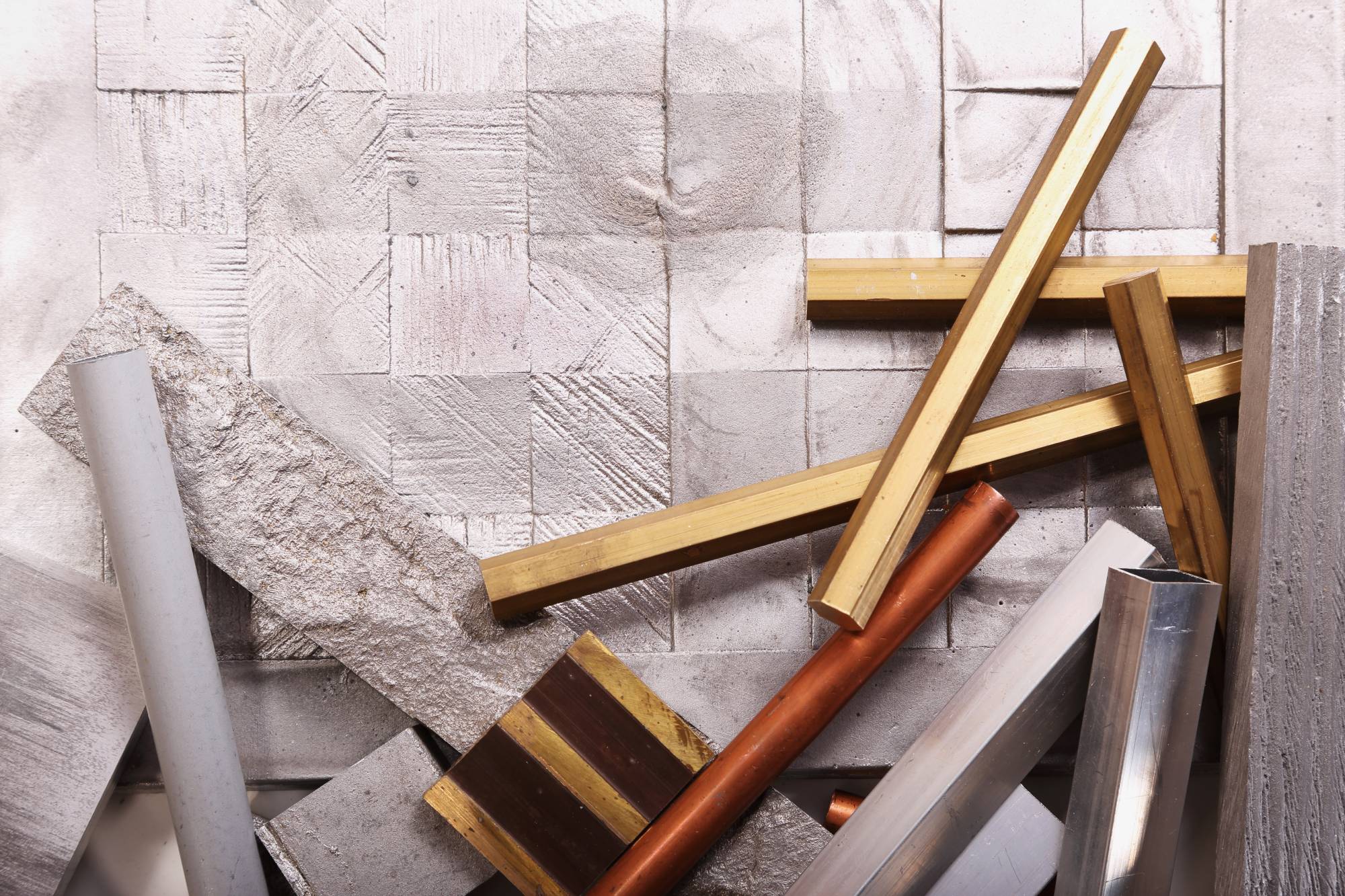
Copper is easily recognized by its reddish color and is prized for its excellent electrical and thermal conductivity. It’s commonly found in wiring, plumbing, motors, and electronic components.
Because of consistent demand and strong recyclability, copper typically carries a higher scrap value than most ferrous metals.
Brass
Brass is a copper-based alloy that includes zinc. It’s widely used in plumbing fittings, valves, hardware, musical instruments, and decorative elements.
Brass resists corrosion and machines easily, making it a reliable option for both functional and aesthetic applications.
Lead and Zinc
Lead is most commonly encountered in batteries, shielding, and some older building materials. Zinc is frequently used for galvanizing steel and producing corrosion-resistant coatings.
Both are classified as non-ferrous metals and require proper handling during recycling for environmental and safety considerations.
Why the Difference Between Ferrous and Non-Ferrous Metals Matters
Sorting mistakes slow down processing, reduce payouts, and create extra handling work that could have been avoided upfront. Knowing which metals contain iron (and which don’t) directly affects how materials are priced, processed, and reused.
It also impacts efficiency at scale. Ferrous metals make up the bulk of recycled material by volume, while non-ferrous metals have higher value and stricter sorting requirements.

- Maximizing scrap value, especially for higher-value non-ferrous metals
- Improving recycling efficiency by reducing contamination and re-sorting
- Speeding up processing times at recycling facilities
- Reducing material waste and unnecessary disposal
- Supporting sustainability goals by keeping metals in closed-loop systems
- Making better material choices in construction and manufacturing projects
How to Identify Ferrous vs. Non-Ferrous Metals
Early identification helps avoid mistakes that slow processing or reduce scrap value. Common identification methods include:
- Magnet test: A magnet is the fastest way to identify ferrous metals. If the metal attracts the magnet, it contains iron and is ferrous. Non-ferrous metals will not respond.
- Visual inspection: Ferrous metals often show rust or oxidation, while non-ferrous metals like copper and brass have distinctive colors and do not rust in the same way.
- Weight comparison: Ferrous metals are generally heavier. Aluminum, for example, feels noticeably lighter than steel of the same size.
- Professional assessment: For mixed or large-volume loads, professional evaluation at a metal recycling facility can confirm material type and improve sorting accuracy.
When identification is uncertain, working with experienced recyclers or a trusted metal recycling plant near me helps prevent misclassification and supports better outcomes for both ferrous and non-ferrous materials.
FAQs About Ferrous and Non-Ferrous Metals
What are ferrous and nonferrous metals used for?
Non-ferrous metals are used in applications where corrosion resistance, conductivity, or reduced weight matter, such as electrical systems, plumbing, transportation, and manufacturing.
Is stainless steel considered a ferrous metal?
Why are non-ferrous metals more valuable?
Their resistance to corrosion and high conductivity also increases demand, which drives higher scrap prices.
Can ferrous and non-ferrous metals be recycled together?
Proper separation allows recyclers to process materials faster and recover more usable metal from each load.
Turn Metal Knowledge Into Better Outcomes
That clarity pays off. Ferrous metals move efficiently in high volumes. Non-ferrous metals retain more value when handled with care. Understanding both helps reduce rework, avoid delays, and keep materials in circulation rather than losing them to contamination or landfill.
Working with a professional recycling partner makes it easier to identify materials, protect value, and keep operations moving. If you’re looking for a reliable metal recycling plant near me, Dynamic Metal Services provides knowledgeable support for both ferrous and non-ferrous recycling, with the insight to help materials end up where they belong. Contact us today!